kkeyaree.com

Ashwagandha Farming

  • Introduction

Ashwagandha (Botanical Name: Withania somnifera) is one of the most important medicinal plants used in Ayurveda. It is widely known as Indian Ginseng due to its rejuvenating and adaptogenic properties.

It is widely used in: Immunity boosters, Stress relief medicines, Energy tonics, Capsules and powders and Ayurvedic formulations.

  • Climate & Soil Requirements

Climate:

  • Suitable for dry and subtropical climate
  • Temperature: 20°C – 35°C
  • Requires low to moderate rainfall
  • Does not tolerate heavy rainfall

Soil:

  • Well-drained sandy loam or red soil
  • pH: 7.0 – 8.0
  • Slightly alkaline soil preferred
  • Avoid waterlogging
  • Cultivation & Crop Duration

      • Cultivation Time : 15th September – 30th October
      • Spacing: 30 cm × 20cm
      • Germination Time:7–10days
      • Harvesting Duration:6to7 months after sowing

  • Land Preparation

    • 2–3 deep ploughings
    • Remove weeds and stones
    • Add 5–8 tons of well-decomposed FYM
    • Prepare well-leveled beds
  • Crop Management

Irrigation: Mostly grown as rainfed crop, 1–2 life-saving irrigations if required & Avoid excess watering

Fertilizer: FYM: 5–8 tons & NPK (Recommended): 25:20:20 kg per acre

Pest & Disease: Leaf spot and seedling blight possible, Maintain proper drainage & Use recommended fungicide if required

  • Harvesting Process

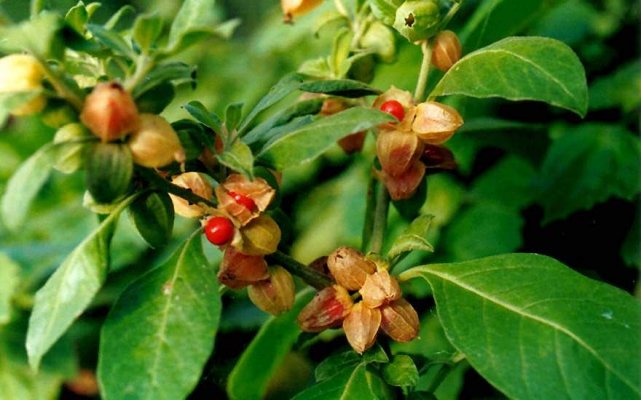
    • Harvest when leaves turn yellow and berries become red
    • Uproot plants carefully
    • Separate roots from aerial parts
    • Wash and dry roots in shade
    • Cut roots into small pieces
    • Dry until moisture content is below 10%