kkeyaree.com

Akarkara Farming

  • Introduction

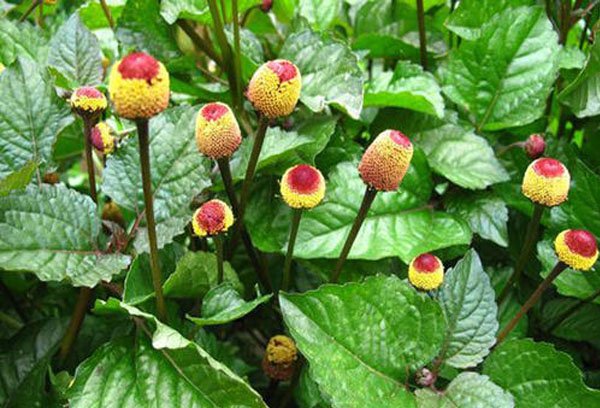
Akarakara (Botanical Name: Anacyclus pyrethrum) is a high-value medicinal herb widely used in Ayurvedic and Unani medicine. It is mainly cultivated for its roots, which have strong demand in the pharmaceutical and herbal industry.

It is traditionally used as: Immunity booster, Aphrodisiac, Nerve stimulant, Treatment for toothache and paralysis & Ingredient in herbal tonics

  • Botanical Information

    • Botanical Name: Anacyclus pyrethrum
    • Family: Asteraceae
    • Common Name: Akarakara
    • Plant Type: Perennial herb
    • Part Used: Root


  • Climate & Soil Requirements

Climate:

  • Suitable for warm and dry climate
  • Temperature: 15°C – 30°C
  • Requires moderate rainfall
  • Sensitive to waterlogging

Soil:

  • Well-drained sandy loam soil
  • pH: 6.5 – 8.0
  • Avoid heavy clay soil
  • Land Preparation

Deep ploughing 2–3 times, Remove weeds and stones, Add 8–10 tons of well-decomposed FYM

& Prepare raised beds for better drainage

  1.  
  • Planting Details

      • Propagation: By seeds
      • Sowing Season : June to July
      • Spacing: 30 cm × 30 cm
      • Germination: 8–10 days
  • Crop Duration

    • Crop Duration: Approximately 7 to 8 months
  • Crop Management

Irrigation: Light irrigation after sowing, Irrigation at 15–20 days interval & Avoid excess water

Fertilizer: FYM: 8–10 tons & NPK (Recommended): 40:20:20 kg per acre

Pest & Disease: Generally resistant , Root rot may occur due to waterlogging and Use organic fungicide if required

  • Harvesting

    • Harvest when leaves start drying
    • Carefully dig roots without damage
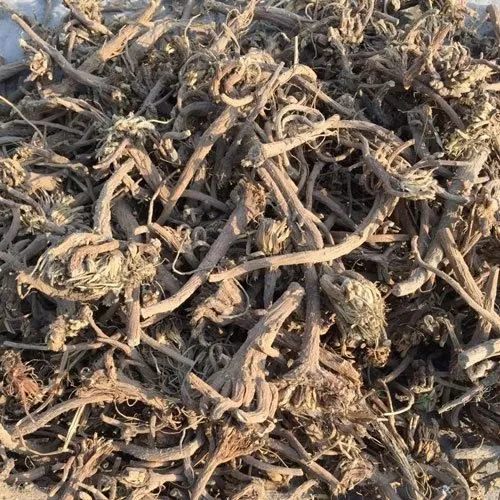
    • Clean and dry roots in shade
    • Moisture level after drying: Below 10%