kkeyaree.com

Sarpgandha Farming

  • Introduction

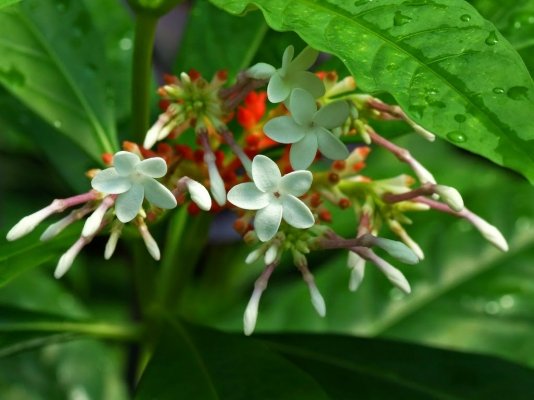
Sarpagandha (Botanical Name: Rauvolfia serpentina) is an important medicinal plant widely used in Ayurvedic, Unani, and Allopathic medicine. It is mainly cultivated for its roots, which contain alkaloids like reserpine used for treating high blood pressure and mental disorders.

It is used in: Hypertension medicines, Sedatives and tranquilizers, Insomnia treatment, Nervous disorders, Herbal pharmaceutical formulations. Due to consistent demand from pharmaceutical industries, Sarpagandha cultivation is considered a profitable long-duration medicinal crop.

  • Botanical Information

    • Botanical Name: Rauvolfia serpentina
    • Family: Apocynaceae
    • Common Name: Sarpagandha
    • Plant Type: Perennial shrub
    • Part Used: Roots
  • Climate & Soil Requirements Climate:

    • Tropical and subtropical climate
    • Temperature: 20°C – 35°C
    • Requires moderate rainfall
    • Prefers partial shade conditions
  • Soil:

  • Well-drained loamy or sandy loam soil
  • pH: 6.0 – 7.5 & avoid waterlogging
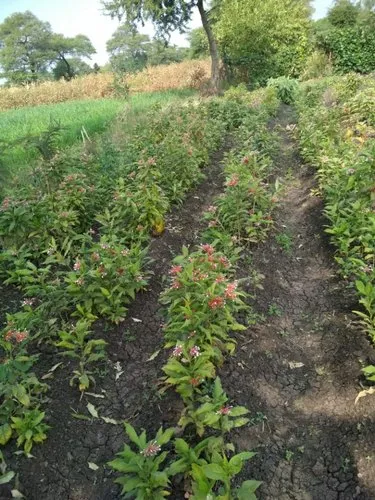
  • Cultivation & Crop Duration & Land Preparation

    • Propagation: Seeds or root cuttings
    • Sowing Season: June to July (monsoon season)
    • Spacing & Germination Period: 45 cm × 30 cm and 15–20 days
  • Crop Duration:

18 to 24 months for full root maturity and Commercial harvesting usually after 18 months

  • Land Preparation:

Deep ploughing 2–3 times, Add 8–10 tons of well-decomposed FYM per acre, Prepare raised beds for proper drainage

  • Crop Management

Irrigation: Light irrigation after planting, Irrigate at 20–25 days interval, Avoid excess moisture

Fertilizer: FYM: 8–10 tons per acre, NPK (Recommended): 40:30:30 kg per acre

Pest & Disease: Leaf spot and root rot possible, Maintain good drainage, Use recommended fungicides if required

  • Harvesting

    • Harvest after 18–24 months
    • Uproot plants carefully and separate roots
    • Wash and cut into pieces and shade dry to maintain medicinal properties
    • Final moisture content below 10%