
Shatavari Plants
- Home
- Shatavari Plants
Shatavari Plants
Shatavari (Asparagus racemosus) is one of the most significant medicinal plants in India, naturally found throughout the tropical and subtropical regions of the Indian subcontinent. It grows extensively in the Himalayan foothills, the plains of North India, and the peninsular regions including Rajasthan, Gujarat, Maharashtra, and Kerala. The species is highly valued in Ayurveda and is indigenous to India, Sri Lanka, and parts of Africa.
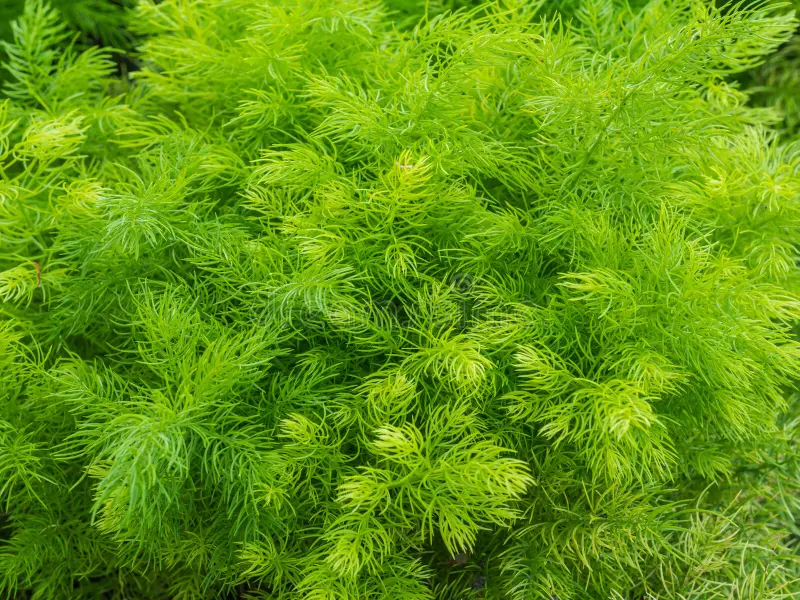
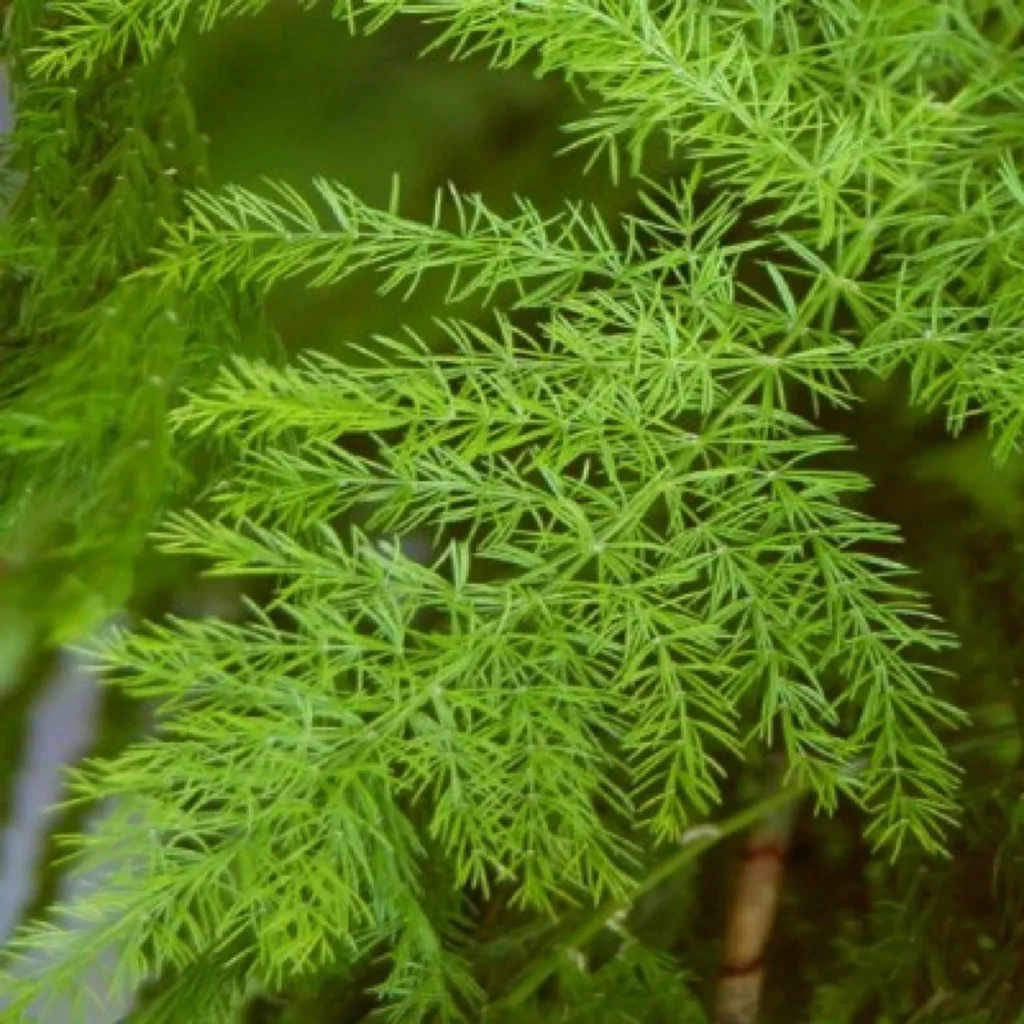
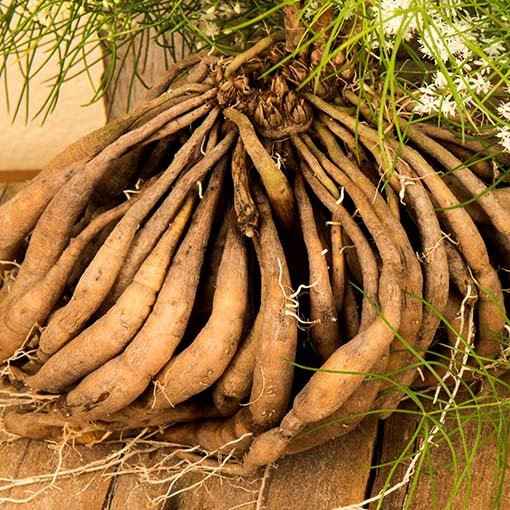
Shatavari is a woody climbing plant that can reach a height of 1–2 meters. It is characterized by its needle-like green leaves (cladodes) and a complex system of tuberous roots. The plant produces small, white, fragrant flowers that typically bloom from July to August, followed by round berries that turn red when mature. The roots are the most vital part of the plant, harvested usually after 18–24 months of growth to be used for various therapeutic purposes.
Importance of Shatavari
Shatavari is widely considered the “Queen of Herbs” due to its incredible medicinal properties and therapeutic versatility. The root extract is primarily used for its adaptogenic qualities, helping the body manage physical and emotional stress while supporting the female reproductive system. Beyond its traditional use, Shatavari is an excellent tonic for boosting the immune system, improving digestion, and treating gastric ulcers due to its natural cooling and anti-inflammatory effects.
In organic farming and indigenous practices, the plant is valued for its ability to thrive in diverse soil conditions with minimal intervention. The tuberous roots contain essential phytochemicals that act as a natural diuretic, helping in the treatment of urinary tract infections and kidney stones. Additionally, the antioxidant properties found in the plant’s leaves and roots help in cellular repair and longevity. Shatavari is also increasingly used in modern wellness products for its ability to balance hormones and enhance overall vitality.
Our Technology: Advanced Tissue Culture Shatavari Production
We specialize in the production of high-quality tissue culture Shatavari plants through advanced laboratory techniques. The process begins in our state-of-the-art lab, where plants are carefully developed under controlled, sterile conditions to ensure uniformity, disease resistance, and vigorous growth.
After successful development in the laboratory, the plants move to the pre-nursery stage, where they are acclimatized and gradually adapted to external conditions. Following this, they are transferred to the nursery stage, where they are further nurtured to strengthen their root systems before being transplanted into the field for large-scale cultivation.
Traditionally, Shatavari crops take a longer time to establish and may provide inconsistent yields under conventional farming practices. However, using our advanced tissue culture technology, the plants exhibit much faster root development and higher survival rates. This significant improvement not only accelerates the harvest cycle but also ensures consistent medicinal potency, better tuber yield, and higher resistance to soil-borne pests and diseases. Our technology represents a major leap forward, offering farmers faster returns and sustainable solutions for medicinal plant farming.
Trade:
The commerce in Shatavari and medicinal herbs has increased significantly in recent years. Shatavari is still highly valued and in high demand in international markets, especially in Europe and North America, where its organic and sustainable origin is essential for pharmaceutical and wellness exports. Because the demand for natural supplements is site-specific and requires high-purity standards, the emphasis should be on using improved tissue culture planting stock to achieve consistent quality and high yields from plantations.
The increased trade volume of Shatavari roots has necessitated the use of a systematic approach for monitoring the supply chain. Today, the international trade in medicinal plants like Shatavari is strictly recorded under uniform classification systems to facilitate global data collection and customs tariffs. Developed to support the global wellness industry, these trade systems aim to ensure transparency and quality control. With these innovations in the herbal trade, it is sure to see a great emphasis on export policies for the development of the medicinal plant sector in the near future.
The Global Medicinal Herb Market:-
The international demand for Shatavari (Asparagus racemosus) promotes the sustainable cultivation and conservation of medicinal plants. As a key herb in the wellness industry, its expansion in global trade is supported by guidelines that encourage organic farming and standardized harvesting processes.
Marketing:-
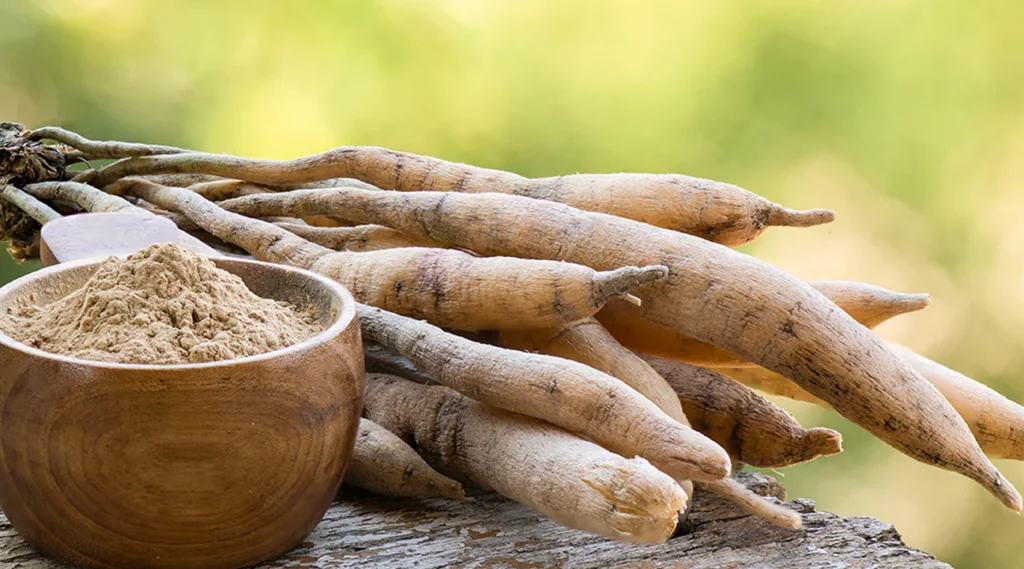
Shatavari is highly valued due to its potent medicinal properties, particularly its high concentration of saponins (Shatavarin I-IV). It is a major ingredient in Ayurvedic medicines, supplements, and health tonics. The roots are processed into powder, granules, or extracts, and have a massive market in pharmaceutical and nutraceutical sectors worldwide.
Role of Herbal-based industries in plantations:-
Herbal-based companies are increasingly profitable as they shift toward sustainable sourcing. Due to the high demand and quality control requirements, many industries are now partnering with farmers through contract farming, providing financial and technical assistance to ensure a consistent supply of high-grade Shatavari roots.
Soil:-
Deep, well-drained loamy or sandy-loamy soils are ideal for Shatavari. It prefers a pH level ranging from 6.0 to 8.0. Since Shatavari is grown for its tuberous roots, soil that is too heavy or clayey should be avoided as it hinders root expansion and causes waterlogging issues.
Light:-
Shatavari is a versatile plant that thrives in varying light conditions. However, a high light intensity or partial shade is generally required for the best growth of its needle-like foliage and healthy root development.
Drainage and irrigation:-
The plant is very sensitive to waterlogging, which can cause root rot. Proper drainage is essential, and irrigation should be managed carefully, especially during the dry summer months, to boost tuber growth.
Pre-plant operations:-
The land should be thoroughly plowed and cleared of weeds. Digging of pits or making raised beds should start well before the monsoon. A spacing of 60 cm x 60 cm or 45 cm x 45 cm is generally practiced. Pits should be filled with a mixture of Farm Yard Manure (FYM), natural fertilizers, and soil.
Gap Filling:-
Gap filling should be done within the same rainy season. If some saplings fail to establish, they should be replaced immediately with extra seedlings reserved for this operation to ensure a uniform crop density in the field.
Weeding:-
Weeds compete with Shatavari for nutrients and space. Weeding is a critical inter-cultural activity, especially in the first year of growth. It can be accomplished by manual weeding or light hoeing to keep the soil loose.
Pruning and Thinning:-
Since Shatavari is a climber, providing support or staking is necessary. Old or dried vines should be pruned during the active growing season to allow new, healthy shoots to emerge and to ensure better air circulation.
Protection and management:-
Shatavari is relatively hardy but can be affected by root rot if the soil remains too wet. Management strategies should include regular monitoring for pests like aphids or mites. Organic extracts like Neem oil (Azadirachta indica) are found to be most effective against common pests while maintaining the medicinal purity of the plant.