
Tissue Culture Agarwood Plants
- Home
- Tissue Culture Agarwood Plants
Tissue Culture Agarwood Plants
Agarwood, also known as Oudh, Gaharu, Aloeswood, Eaglewood, refers to the fragrant resinous wood formed inside trees of the genus Aquilaria (family: Thymelaeaceae). This resin is one of the most valuable forest products in the world, used for perfumes, incense, medicines, and spiritual rituals. The high value of agarwood arises from its rarity, unique fragrance, and the long time required for natural formation.
Taxonomy and Nomenclature
- Kingdom: Plantae
- Division: Magnoliophyta
- Class: Magnoliopsida
- Order: Malvales
- Family: Thymelaeaceae
- Genus: Aquilaria
- Important Species:
o Aquilaria malaccensis (India, Malaysia)
o Aquilaria crassna (Thailand, Cambodia, Vietnam, Laos)
o Aquilaria sinensis (China)
o Aquilaria agallocha (India, Bangladesh)
o Aquilaria subintegra (Thailand)
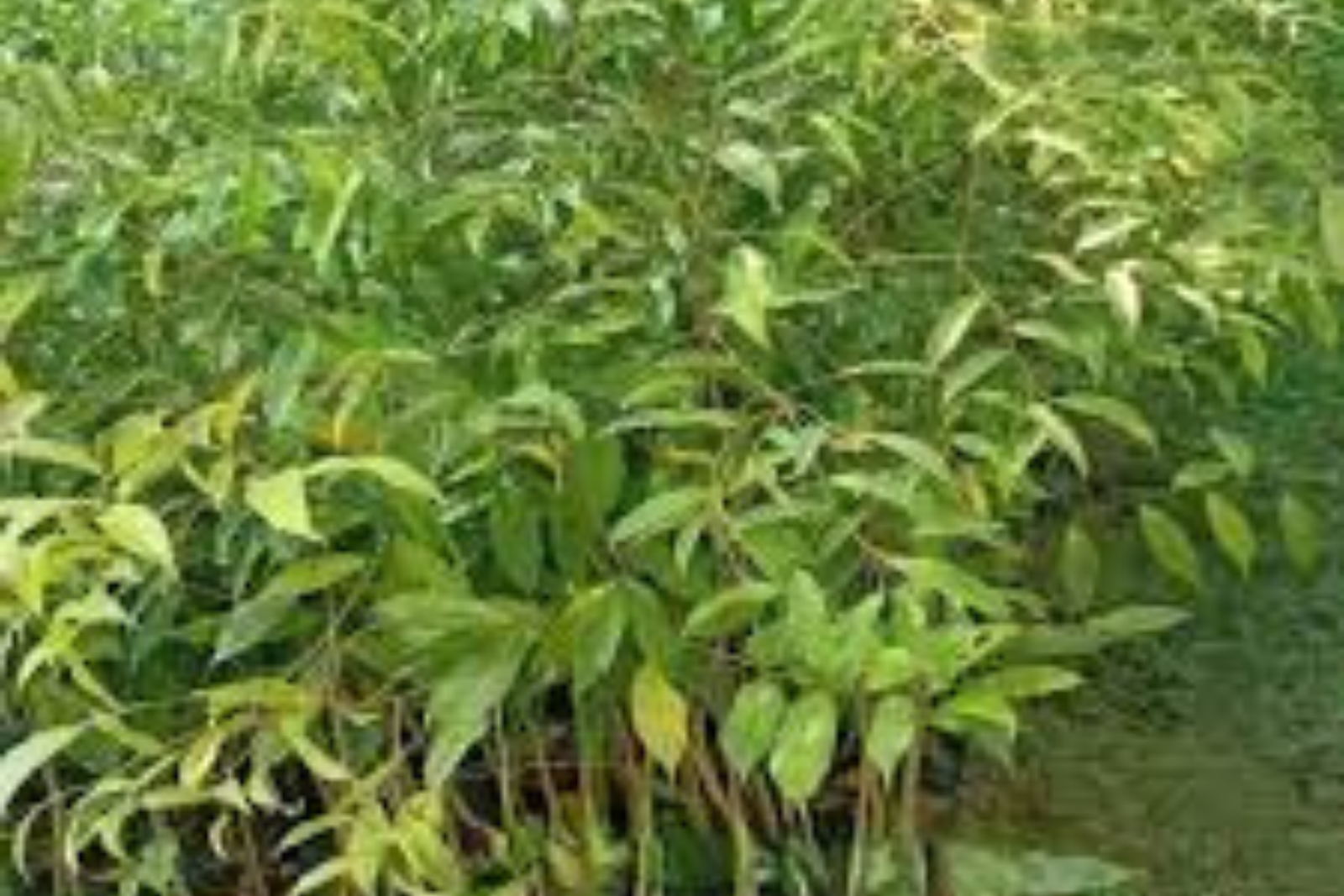

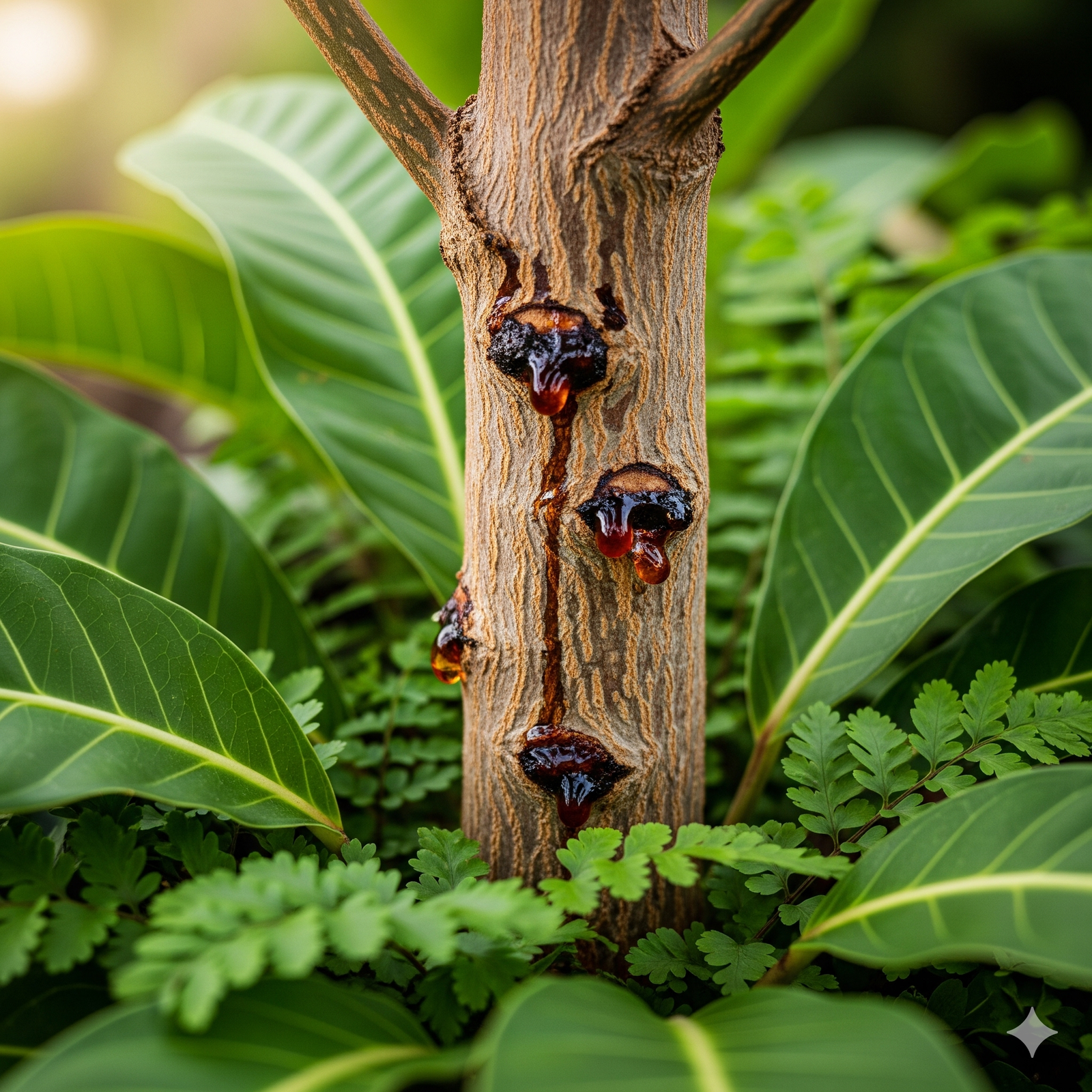
Botanical Description
- Habit: Evergreen tropical trees.
- Height: 15–40 meters under forest conditions.
- Girth: 1–2 meters diameter at breast height (DBH).
- Bark: Thin, grey to pale brown, smooth to slightly rough.
- Leaves:
o Arrangement: Alternate
o Shape: Lanceolate to elliptic-oblong
o Size: 5–12 cm long × 2–5 cm wide
o Venation: Prominent parallel lateral veins - Flowers:
o Small, fragrant, yellowish-green or whitish
o Occur in axillary clusters or cymes
o Blooming season: March–April (varies by region) - Fruits:
o A dehiscent capsule, 2.5–5 cm long
o Splits open to release seeds when mature - Seeds:
o 1–2 per fruit
o Brown to black in color, with a fleshy
Habitat and Distribution
- Native Range: South Asia, Southeast Asia, and parts of East Asia.
- Countries of occurrence:
India (Northeast states like Assam, Arunachal Pradesh, Nagaland, Tripura,
Meghalaya, South india), Bhutan, Bangladesh, Myanmar, Thailand, Cambodia,
Vietnam, Laos, Malaysia, Indonesia, Papua New Guinea, and South China. - Altitude: 0–1000 meters above sea level.
- Climatic requirements:
o Temperature: 20°C – 32°C
o Rainfall: 1800 – 3500 mm annually
o Humidity: 70–85% - Soil requirements:
o Well-drained sandy loam, laterite, or clay-rich soils
o pH: Slightly acidic to neutral (5.5–6.5)
o Tolerates poor soils but grows best in fertile, moist conditions
Life Cycle and Growth
- Longevity: Natural life span 60–80 years.
- Seed germination: 30–50% success under natural conditions, usually within 10–15
days. - Flowering age: 7–10 years under natural forest growth.


Agarwood Formation (Resin Process)
- Normal state: Healthy wood is pale, soft, lightweight, and without fragrance.
- Injury/Infection: The tree undergoes stress due to fungal/bacterial infection, insect attack, lightning strikes, or human wounding.
- Defense mechanism: The tree produces oleoresin to protect the injured tissues.
- Resin deposition: Resin accumulates in the xylem tissues, turning the wood from pale to dark brown or black.
- Fragrance development: The resin contains sesquiterpenes and chromones,responsible for the deep woody, sweet, and complex aroma.
- Timeframe: Natural resin development takes 15–20 years in forests, though artificial induction methods can reduce this to 6–8 years.
Economic Importance :
- Incense & Perfume: Agarwood chips and essential oil (Oudh) are luxury commodities in Middle Eastern and Asian markets.
- Medicinal Uses:
o In Ayurveda, Unani, and Traditional Chinese Medicine.
o Used for treating asthma, diarrhea, nervous disorders, pain relief, and as a sedative. - Cultural & Religious Uses:
o Burned as incense in Hindu, Buddhist, Islamic, and Christian rituals.
o Mentioned in ancient scriptures including the Bible, Quran, and Vedas. - Global Market Value:
o High-quality agarwood chips: USD $10,000 – $30,000 per kg
o Agarwood essential oil: USD $50,000 – $80,000 per liter
o Making it one of the most expensive natural products in the world.
Cultivation and Plantation Practices
- Propagation:
o By seeds (low success due to short viability).
o Vegetative methods: stem cuttings, grafting.
o Modern: tissue culture and clonal propagation (for large-scale plantations). - Spacing:
o 3 × 3 meters (about 1000 trees/hectare)
o 4 × 4 meters (about 625 trees/hectare) - Maintenance:
o Shade required in initial years.
o Regular weeding, mulching, irrigation, and fertilization (NPK, organic
manure). - Resin Induction Methods:
1. Mechanical wounding (nailing, bark stripping).
2. Biological inoculation (fungal or bacterial cultures).
3. Chemical stimulation (injecting chemical agents to stress the tree)
Future Prospects
- Sustainable Plantations: High demand from perfume, cosmetic, and spiritual industries makes agarwood farming highly profitable.
- Biotechnology: Tissue culture and micropropagation help mass-produce uniform and disease-free saplings.
- Artificial Inoculation: Advances in resin induction allow earlier yields, reducing pressure on wild populations.
- Global Market Expansion: Demand is growing rapidly in Gulf countries, Europe, Japan, and the USA, ensuring a secure future market.
Final Summary:
Agarwood (Aquilaria spp.) is a rare tropical evergreen tree valued for its dark, resinous heartwood that yields one of the world’s most expensive natural products. It plays an important role in culture, medicine, perfume, and religion. With increasing demand and depletion of wild resources, scientific cultivation, conservation, and resin-induction techniques are the only sustainable solutions for meeting global needs while protecting endangered species.